
Ventilated facade with standing seam cladding: most common mistakes and how to avoid them
A ventilated facade with standing seam cladding is one of the modern and visually striking solutions increasingly used on residential and commercial buildings. Although it may look simple at first glance, its installation is technically demanding and requires precise attention to every detail.
In practice, we often encounter mistakes that arise already during the design phase or throughout the installation process. These shortcomings affect not only the appearance of the facade, but also its functionality, durability, and resistance to weather conditions.
In this article, we will look at the most common mistakes in the installation of a ventilated facade with standing seam cladding and explain how to avoid them.
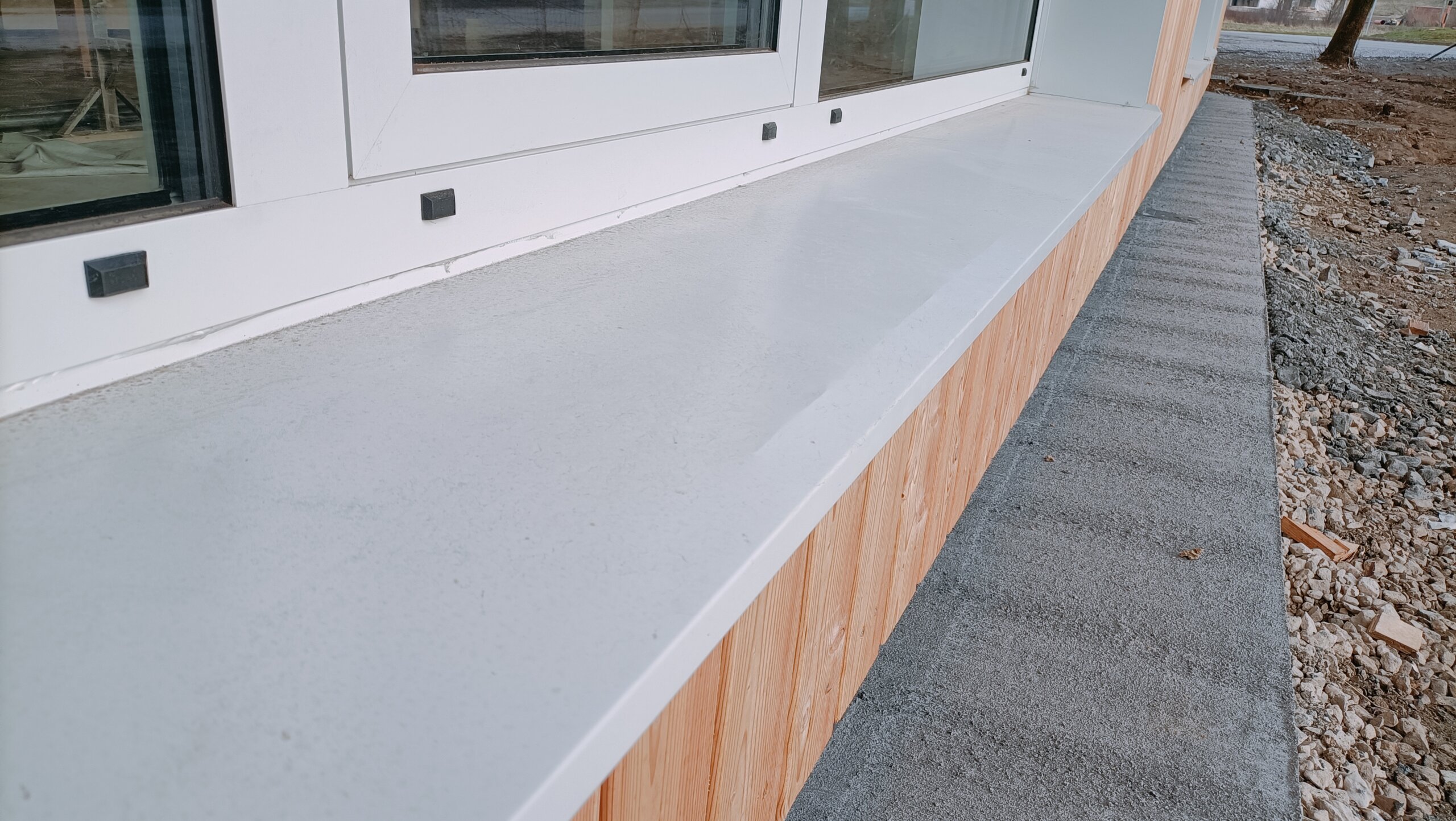
Incorrect termination of the window sill on the facade
During facade installation, it is important to follow the correct assembly procedure. A common mistake is completing the facade first and installing the window sills only afterwards.
The result is:
- incorrect connections to the standing seam cladding
- visual imperfections
- reduced functionality of water drainage
Solution: Window sills must be installed first, and only then should the facade be completed according to the laying plan.
Incorrect window detail on the facade
The window detail is one of the most important elements of the entire facade. The placement of the standing seam panels and the overall visual impression are determined by the windows.
A common mistake is the incorrect connection of the sheets to the window reveal or uneven spacing of individual panels. The result is an unattractive appearance and a disruption of the facade’s symmetry.
Solution: A correct laying plan must be based on the position of the windows. Already during the design phase, the dimensions and connections of individual elements must be taken into account.
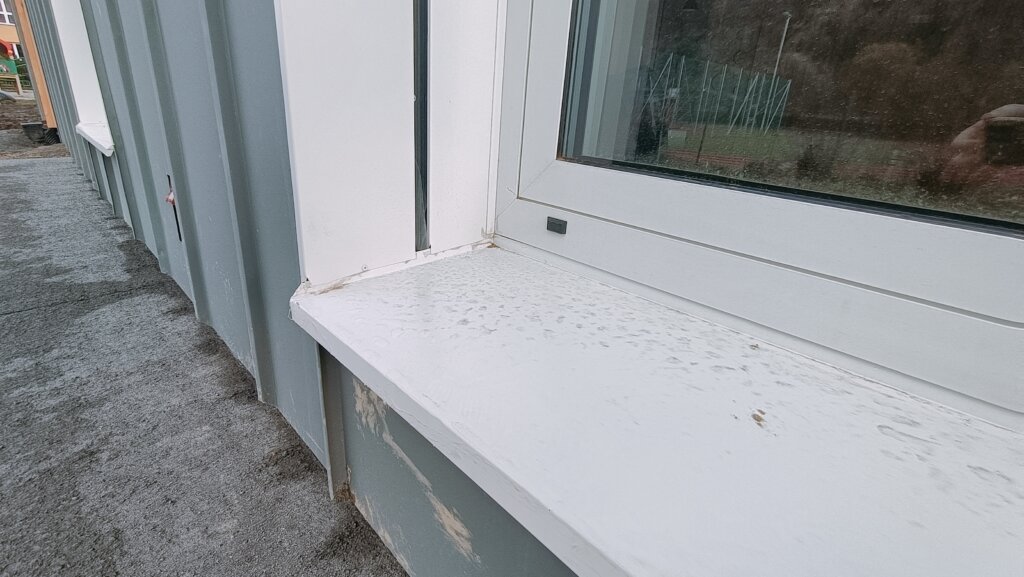

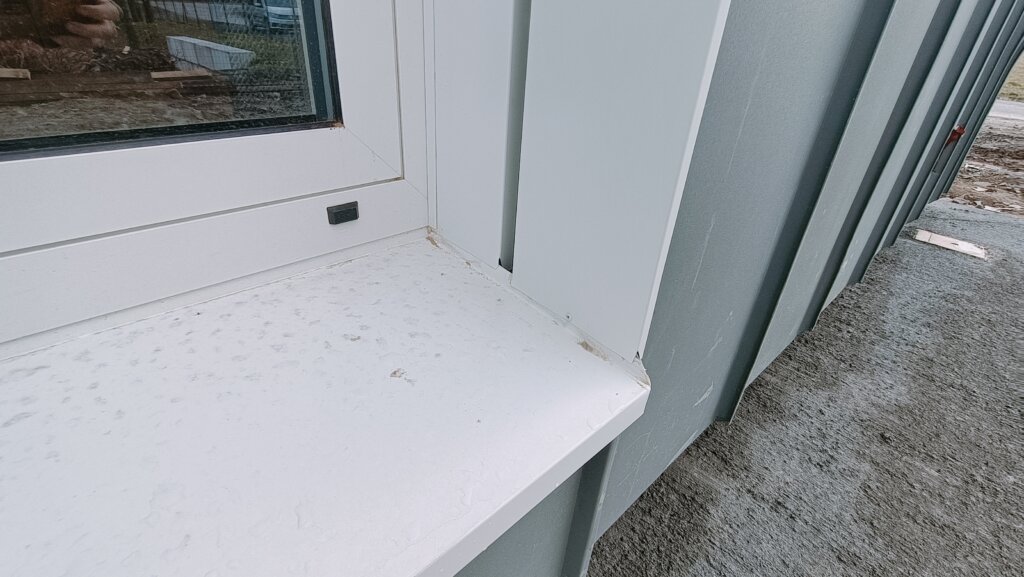
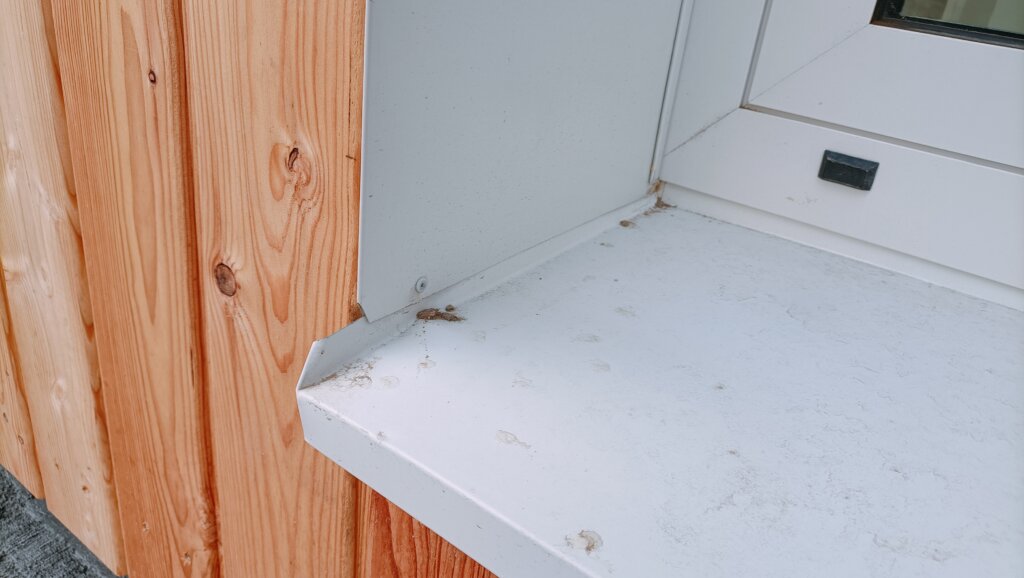
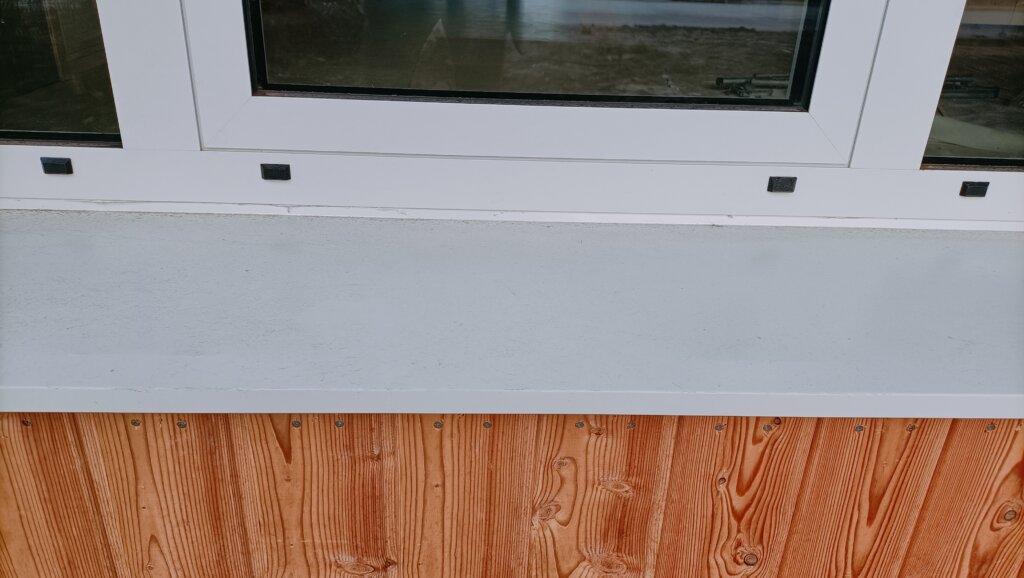

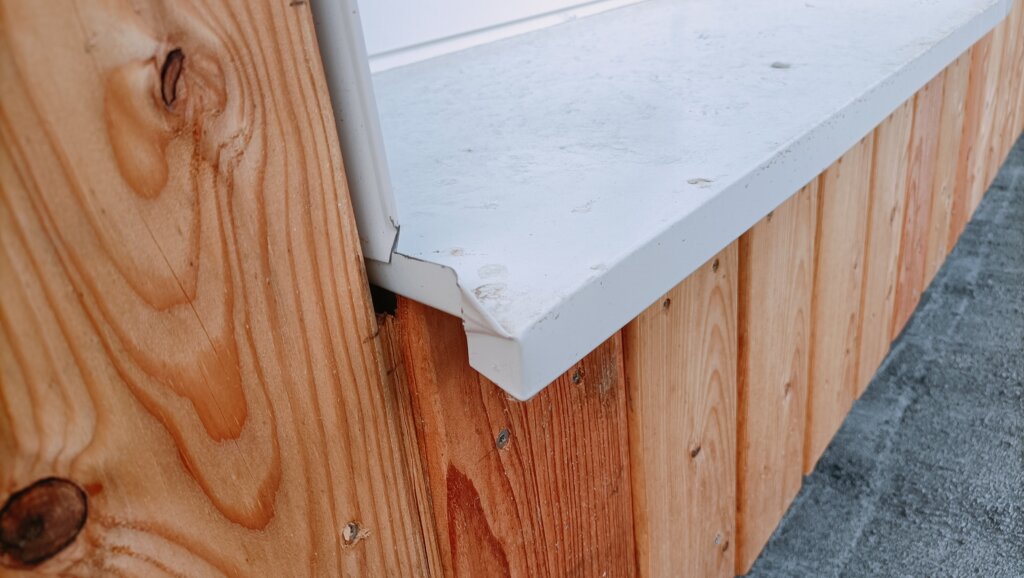
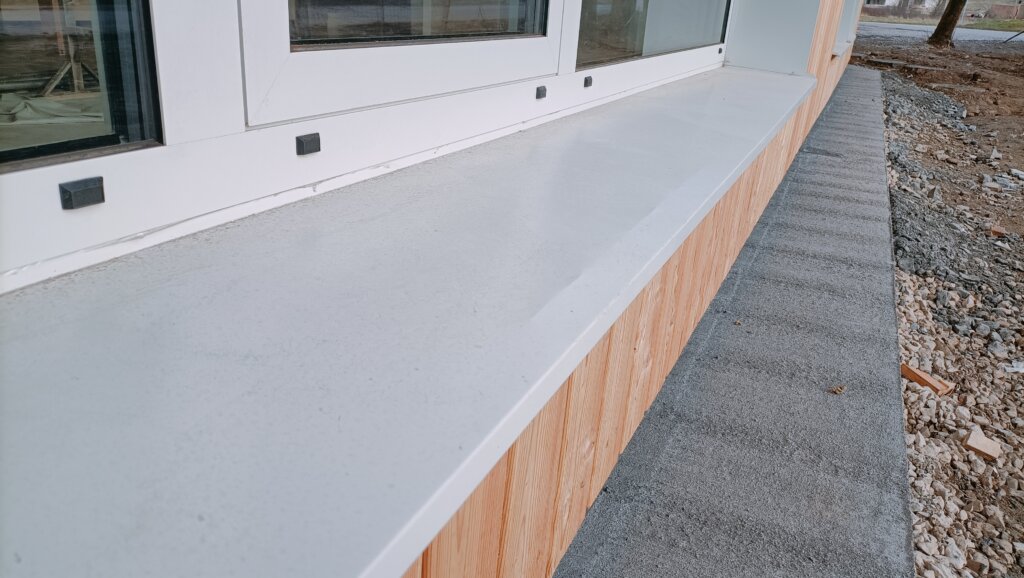
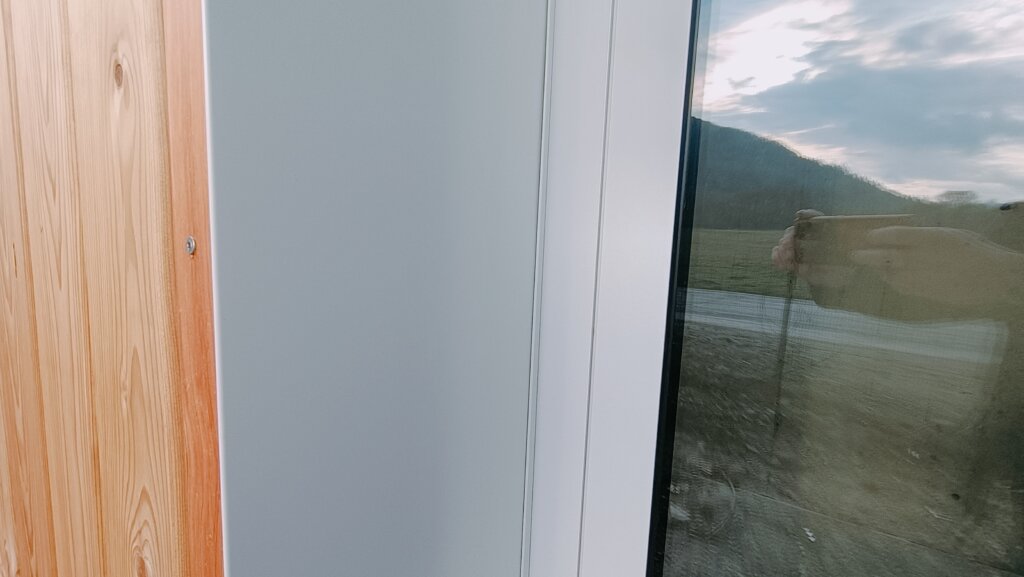
Incorrect connection of the window sill and window reveal
The connection of the window sill to the window reveal and the guide rails of the blinds is one of the most demanding details.
In practice, we often encounter situations where:
- individual sheet metal elements do not align properly
- the window sill does not match the width of the window
- there is a collision with the blinds
These mistakes cause not only visual defects, but also functional problems when using shading systems.
Solution: Every detail must be precisely custom-made and installed with an emphasis on accurate connections.
Mistakes during window sill installation
The window sill is an important part of the ventilated facade. In addition to its aesthetic function, it also ensures the drainage of rainwater away from the facade.
The most common mistakes include:
- insufficient load-bearing structure of the window sill
- missing or incorrect waterproofing
- bending or warping of the window sill
Such mistakes can lead to water infiltration and damage to the entire facade. More about window sills can be found in the article: Leave window sill installation to a sheet metal worker – Marcus blog
Solution: The window sill must have a solid base, the correct slope, and a properly resolved connection to the facade.
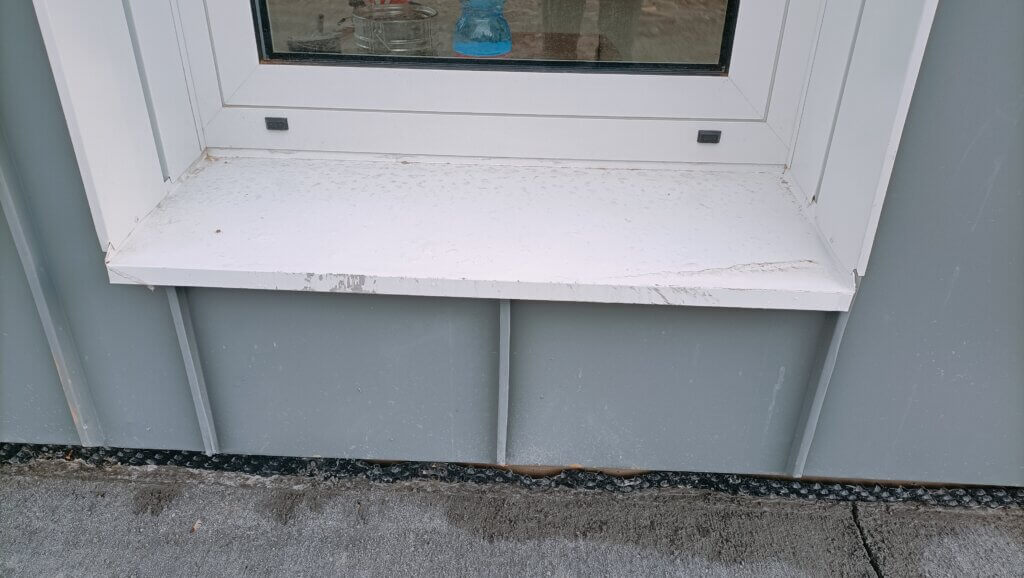


Damaged standing seam sheet and facade panels
When working with aluminium sheet, the quality of the tools and the workmanship itself are crucial.
Typical mistakes:
- wavy or rippled sheet
- dented or damaged panels
- imprecisely cut details
These deficiencies significantly reduce the aesthetic value of the facade.
Solution: Use quality sheet metal tools and follow correct technological procedures.
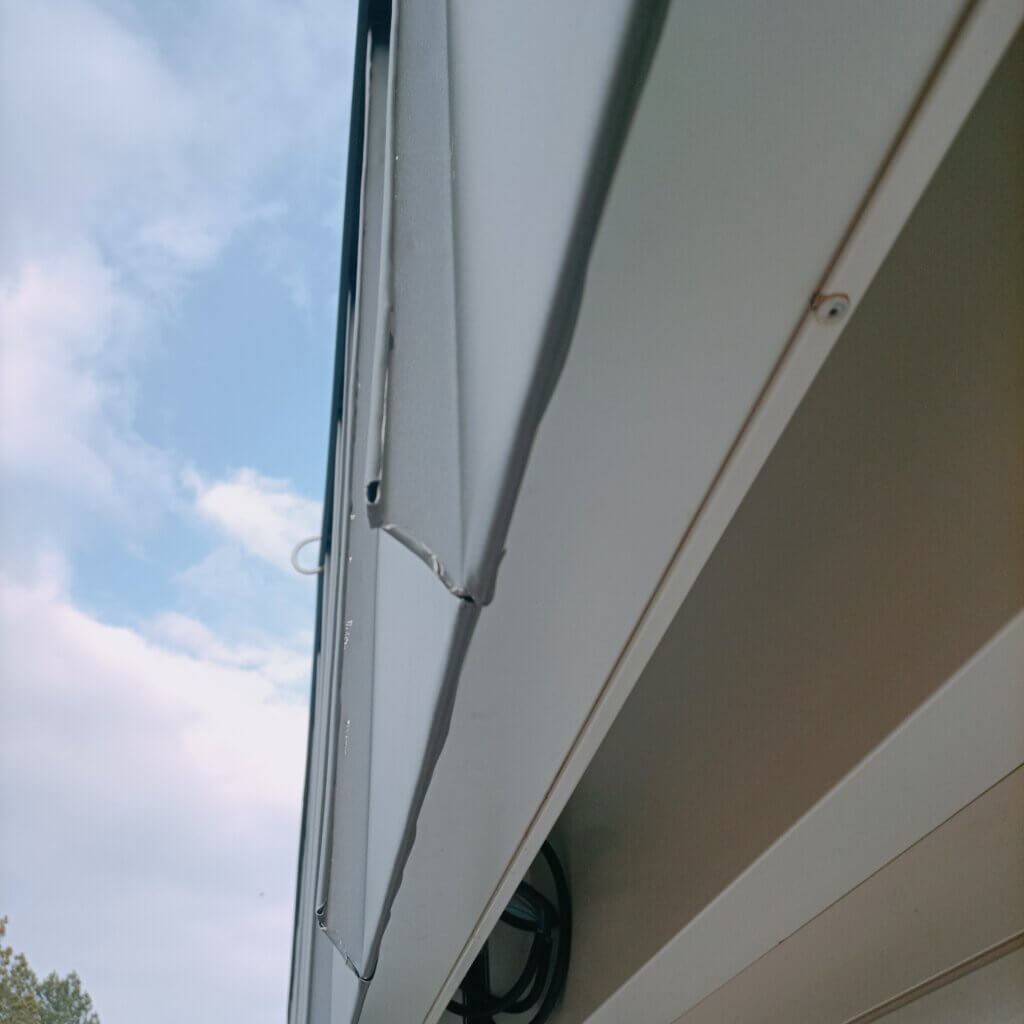
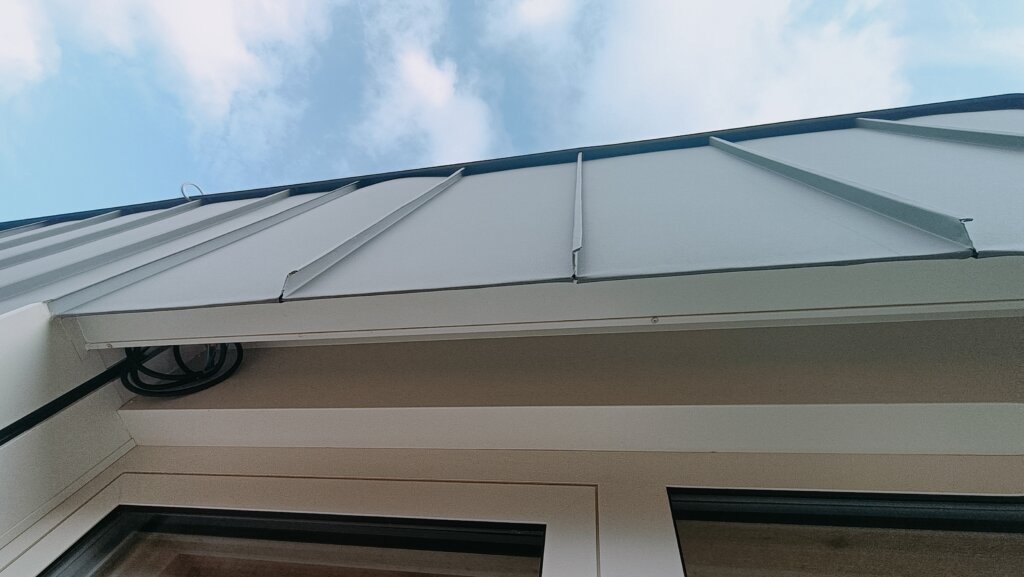
A sheet metal worker must have quality tools. When installing a roof with standing seam cladding made from expensive aluminium sheet, it is essential to use sheet metal tools from quality suppliers. Without proper tools, incorrect execution of details is likely, as shown in the images below. You can see incorrectly cut arcs, indentations on facade panels, and various unwanted ripples on facade cassettes.

Incorrect window detail
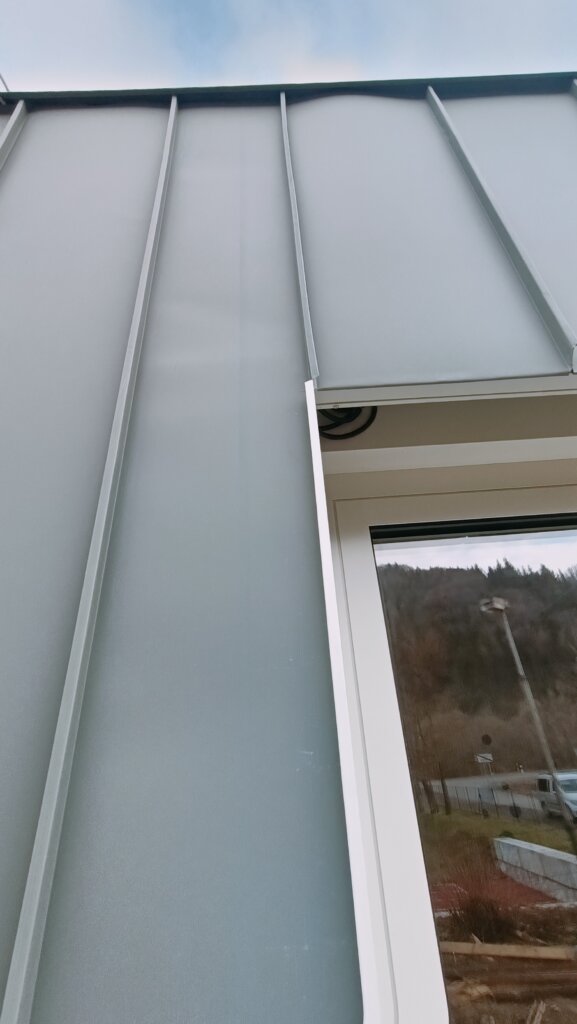
The process of laying a facade with standing seam cladding begins with a quality laying plan and essentially starts from the windows. The windows determine the correct distribution of the individual profiled sheets, which also ensures the aesthetic result.


Insufficient ventilation of the facade
A ventilated facade must fulfil its basic function – moisture ventilation.
If the ventilation gap is incorrectly designed or blocked, the following can occur:
- accumulation of moisture
- growth of mould
- reduced lifespan of the structure
Solution: Follow the correct composition of the ventilated facade and ensure sufficient airflow.
Many details can also be found on our website in this section: Leave window sill installation to a sheet metal worker – Marcus blog
Conclusion
A ventilated facade with standing seam cladding requires precise attention to every detail. The most common mistakes occur at windows, window sills, reveals, or in the laying plan itself.
If these details are underestimated, the result is not just an aesthetic problem, but also functional failures of the entire facade.
During installation, therefore, pay attention to quality design, correct assembly procedure, and the use of professional tools. Only then will you achieve a long-lasting and flawless result.