

Window Sill Installation: Why You Should Leave It to a Roofer and How the Process Works
Window sill installation is one of the important details of every construction project. A properly fitted window sill protects the facade, thermal insulation and ensures water drainage away from the building. If the window sill is incorrectly installed, water can run down the facade and cause stains or damage to the insulation. In this article, we will show you how window sill installation works the sheet metal way and what to watch out for.
Why Proper Window Sill Installation Matters
The main function of a window sill is to drain water away from the window and facade. Incorrect installation can lead to:
- water penetrating the structure
- damage to thermal insulation
- appearance of stains on the facade
- reduced lifespan of the entire building
This is especially important with ventilated facades or contact thermal insulation systems with mineral wool.
Window Sill Installation – The Correct Process
When installing window sills, it is important to follow a few key principles:
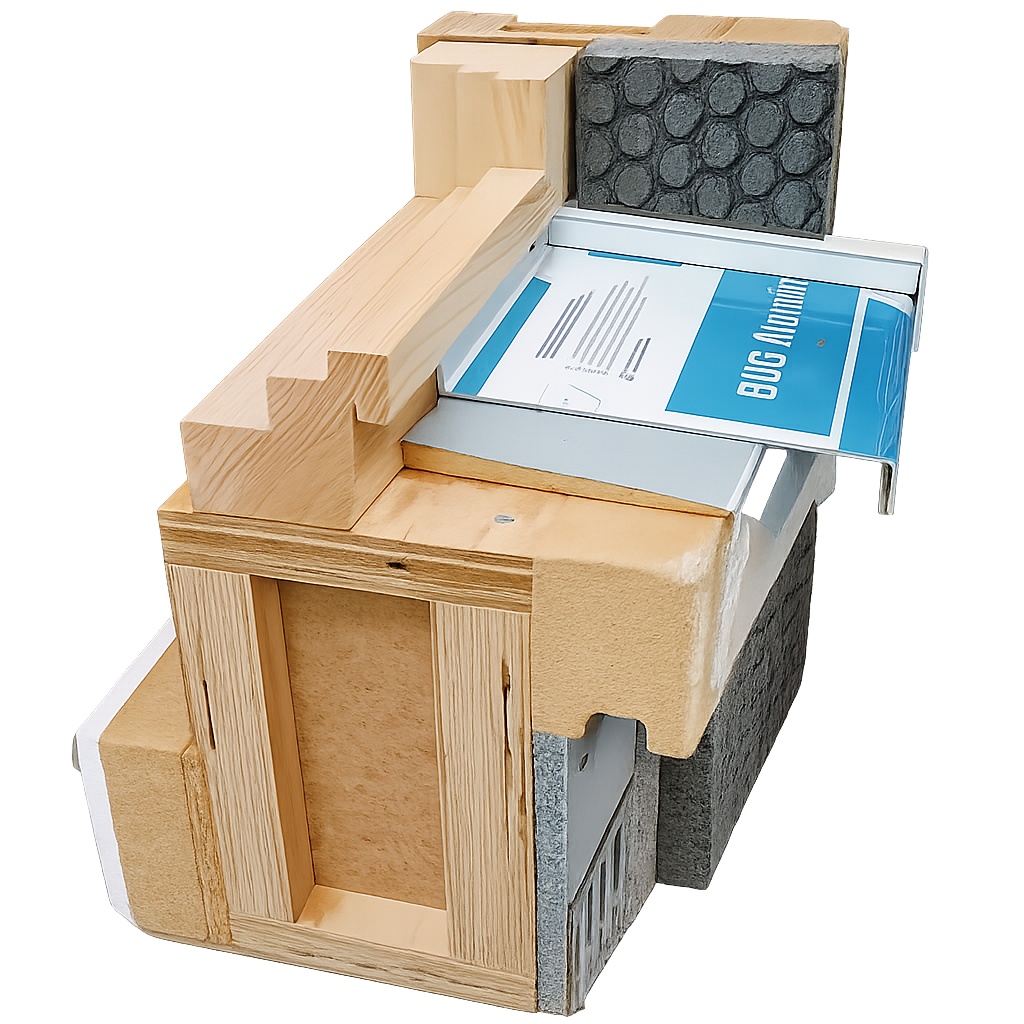
- A separation and waterproofing layer must be placed under the window sill
- The window sill must have sufficient slope towards the outside
- The connection to the reveal must be watertight
- Water must be drained away beyond the facade
When using absorbent insulation materials such as mineral wool or wood fibre boards, waterproofing is essential. A suitable solution is, for example, the use of bituminous compounds Enkolit.

What Tools Do You Need for Window Sill Production
High-quality tools are required for the production of sheet metal window sills:
If you don’t have them – no problem, just find a local roofer who will be happy to help you.
- Rolling bending machine 5 mm – With the bending machine it is possible to…
- Bending pliers for window sills
- Segment bending machine JOUANEL HS33 – 1270 mm
If you do not own such tools, it is sensible to contact a sheet metal roofer who has the experience and appropriate equipment.
Most Common Mistakes in Window Sill Installation
During installation, certain mistakes are frequently repeated that significantly reduce the functionality of the window sill:
- insufficient slope of the window sill
- missing waterproofing
- incorrect connection to the reveal
- water running down the facade
These mistakes can lead to damage to the facade and insulation, so it is important to pay maximum attention to the details. Use and Application of ENKOLIT – Marcus Blog
Sheet Metal Method vs. Ready-Made Window Sills
Ready-made window sills are generally more expensive and often do not have well-resolved finishing details. The sheet metal method allows the window sill to be customised exactly as needed and also handles complicated connections.


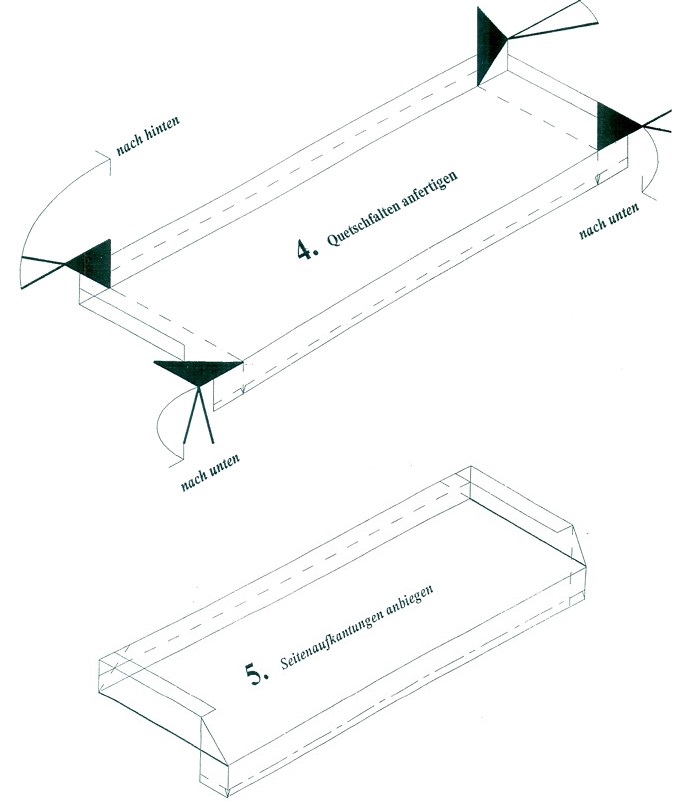
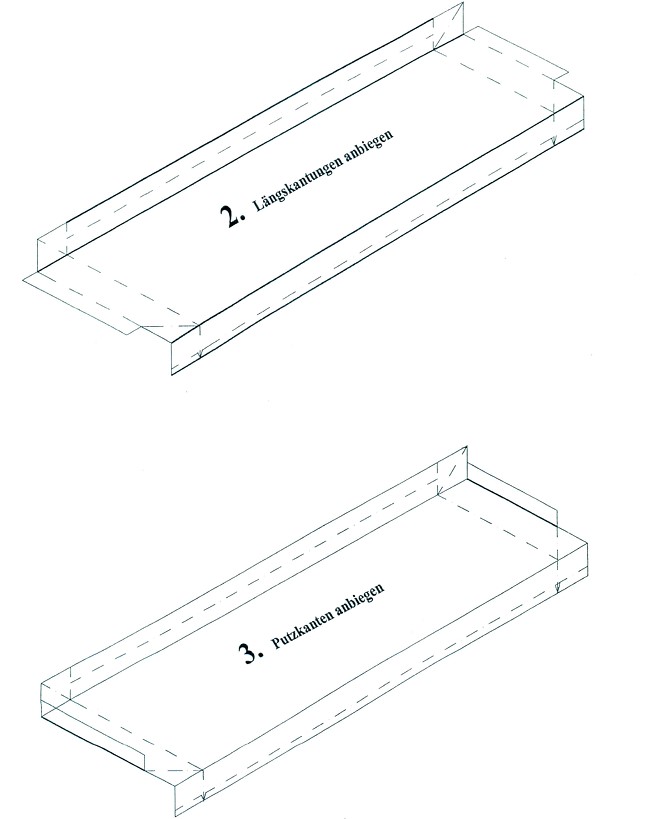
Production of Sheet Metal Window Sills
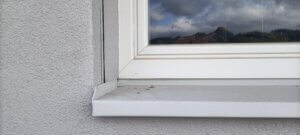
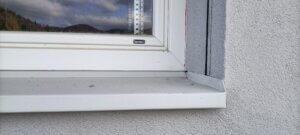
Sheet metal window sills are made from sheet metal by precise bending. Compared to ready-made aluminium window sills, they have the advantage of better detail solutions, especially at the connection to the reveal.
Production includes:
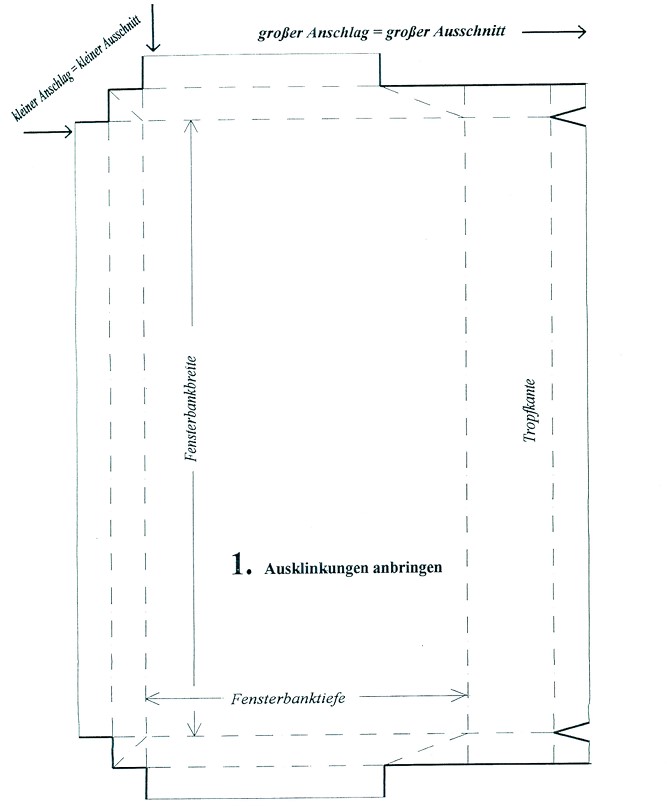
- precise measurement of the opening
- marking of the bending lines
- cutting the sheet metal
- bending with sheet metal tools
A window sill produced this way is more precise and better adapted to the specific building.

Frequently Asked Questions (FAQ)
What slope should a window sill have?
The recommended slope is at least 5° away from the window.
Is waterproofing under the window sill necessary?
Yes, especially with absorbent insulation materials it is essential.
Can I make the window sill myself?
Yes, but you need the right tools and experience.
What material is best for window sills?
Aluminium or galvanised sheet metal are commonly used, with the sheet metal solution allowing for greater precision.
Summary
Window sill installation is a detail that has a significant impact on the functionality of the entire facade. If you want to avoid problems with water and insulation damage, it is worth choosing the sheet metal method or contacting a professional. A properly fitted window sill ensures a long lifespan and trouble-free functioning of the building.


